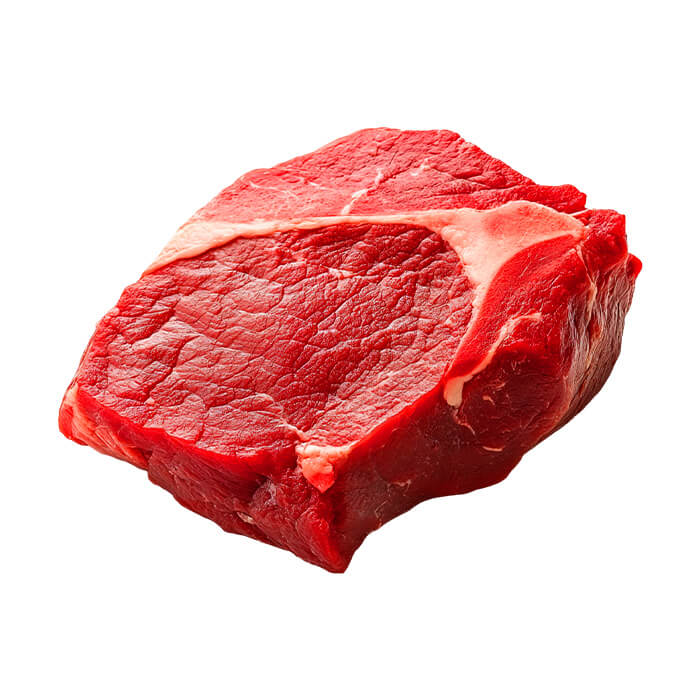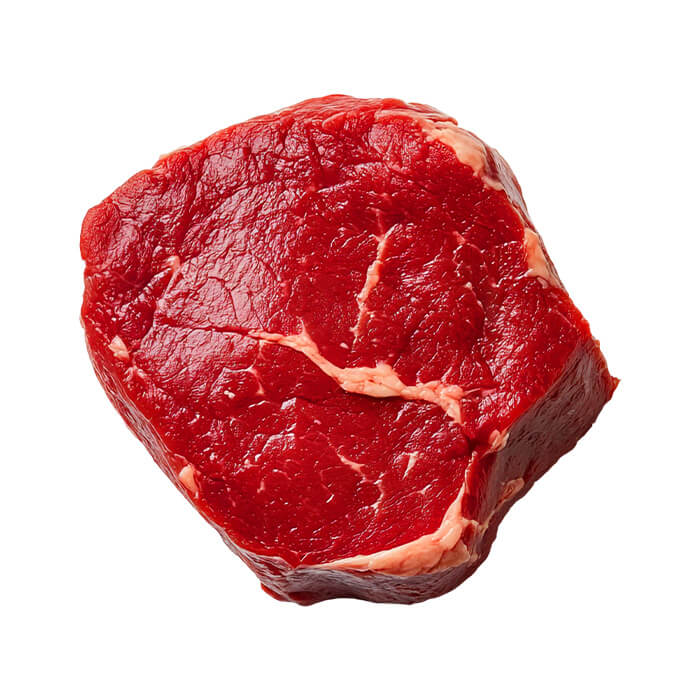

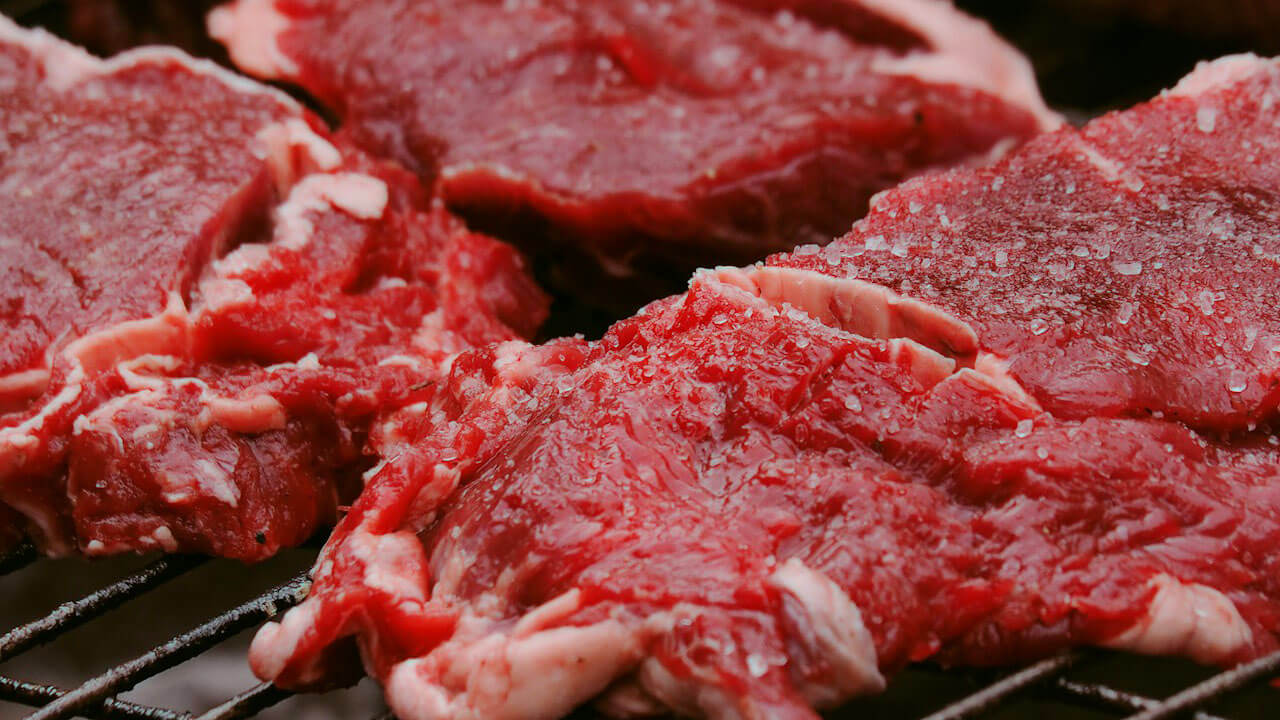
Proper storage plays a crucial role in maintaining the freshness, flavor, and safety of meat at home. Even high-quality, freshly cut meat can lose its quality if not stored correctly. Understanding how to handle and store meat long-term helps preserve its taste while reducing the risk of spoilage.
Start with Proper Handling
Safe storage begins the moment meat arrives home. Fresh meat should be kept cold and refrigerated as soon as possible. Avoid leaving it at room temperature for extended periods, as this can encourage bacterial growth and reduce shelf life.
Always keep raw meat separate from cooked foods and produce to prevent cross-contamination. Using sealed containers or wrapping meat securely helps maintain cleanliness and freshness.
Choose the Right Storage Method
Refrigeration is suitable for short-term storage, while freezing is best for long-term preservation. Fresh meat stored in the refrigerator should be used within a few days, depending on the cut and type.
For long-term storage, freezing helps maintain quality by slowing down moisture loss and bacterial growth. Proper wrapping is essential to prevent freezer burn and preserve texture.
Maintain Proper Temperature and Organization
Temperature control is key when storing meat long-term. Refrigerators should be kept at or below 4°C (40°F), while freezers should remain at -18°C (0°F) or lower. Consistent temperatures help prevent spoilage and maintain quality.
Organizing meat by type and date makes it easier to track storage time. Labeling packages with the cut and date ensures older items are used first.
Essential Long-Term Storage Tips
Following these simple practices helps protect quality and safety:
• Store meat in airtight packaging
• Freeze meat in portion-sized packs
• Label packages with storage dates
• Avoid repeated thawing and refreezing
• Keep raw meat sealed and separated
Safe Thawing Practices
How meat is thawed is just as important as how it is stored. Always thaw frozen meat in the refrigerator, not at room temperature. This allows the meat to defrost evenly while staying within a safe temperature range.
If quicker thawing is needed, sealed meat can be placed in cold water, but it should be cooked immediately afterward.
Preserving Quality Over Time
Long-term storage does not mean sacrificing quality. Proper wrapping, stable temperatures, and mindful handling all contribute to maintaining flavor and texture. Avoid overstocking freezers, as overcrowding can affect air circulation and temperature consistency.
With the right storage habits, fresh meat can retain its quality for extended periods, ensuring safe, flavorful meals whenever needed.