
How Play-Based Learning Builds Confidence
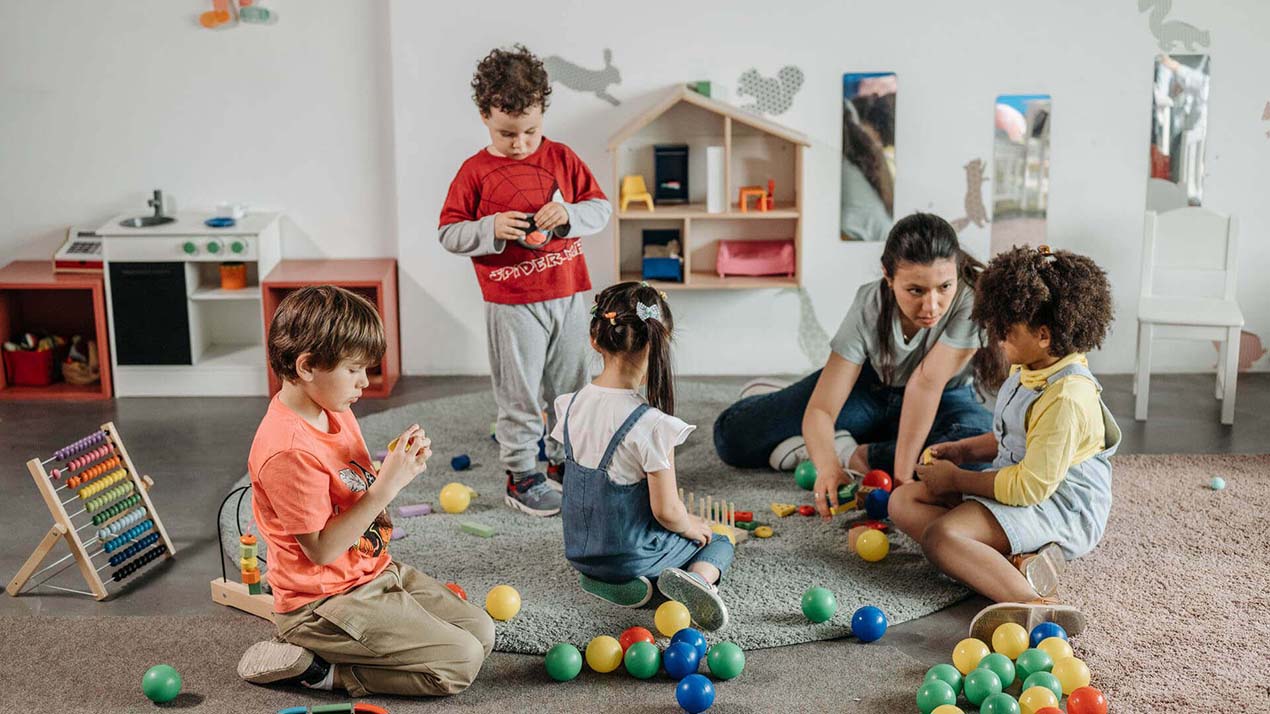
Play is much more than entertainment—it’s one of the most effective ways young children learn and grow. Through play-based learning, children develop confidence by exploring new ideas, solving problems, and discovering their abilities in a fun and supportive environment. Every activity becomes an opportunity to build essential life skills while enjoying the learning process.
Encouraging Independent Thinking
When children are free to explore and make choices during play, they learn to think independently and trust their own ideas. This sense of ownership helps build confidence that carries into everyday life.
- Allow children to make simple decisions.
- Encourage problem-solving through play.
- Celebrate curiosity and new discoveries.
Learning Through Exploration
Hands-on activities inspire children to ask questions, experiment, and discover how the world works. These experiences help develop critical thinking while making learning enjoyable and meaningful.
- Build with blocks and construction toys.
- Explore nature and outdoor play.
- Try creative art and sensory activities.
Developing Social Confidence
Playing with others teaches children how to communicate, cooperate, and build friendships. Working together on games and activities encourages teamwork while helping children feel comfortable in social settings.
- Practice sharing and taking turns.
- Encourage group games and teamwork.
- Support positive communication with peers.
Learning from Small Challenges
Play naturally introduces age-appropriate challenges that encourage children to keep trying, even when something feels difficult. Overcoming these small obstacles builds resilience and a positive attitude toward learning.
- Praise effort instead of perfection.
- Encourage children to try again.
- Celebrate every achievement, big or small.
Building a Strong Foundation
Confidence grows when children feel safe, supported, and encouraged to explore. A play-based learning environment gives them the freedom to develop creativity, communication, and problem-solving skills while enjoying every step of the journey.
By making play an important part of everyday learning, parents and educators help children become curious, resilient, and confident individuals. These early experiences create a strong foundation for future success both in school and beyond.