Why Social Skills Matter in Early Childhood
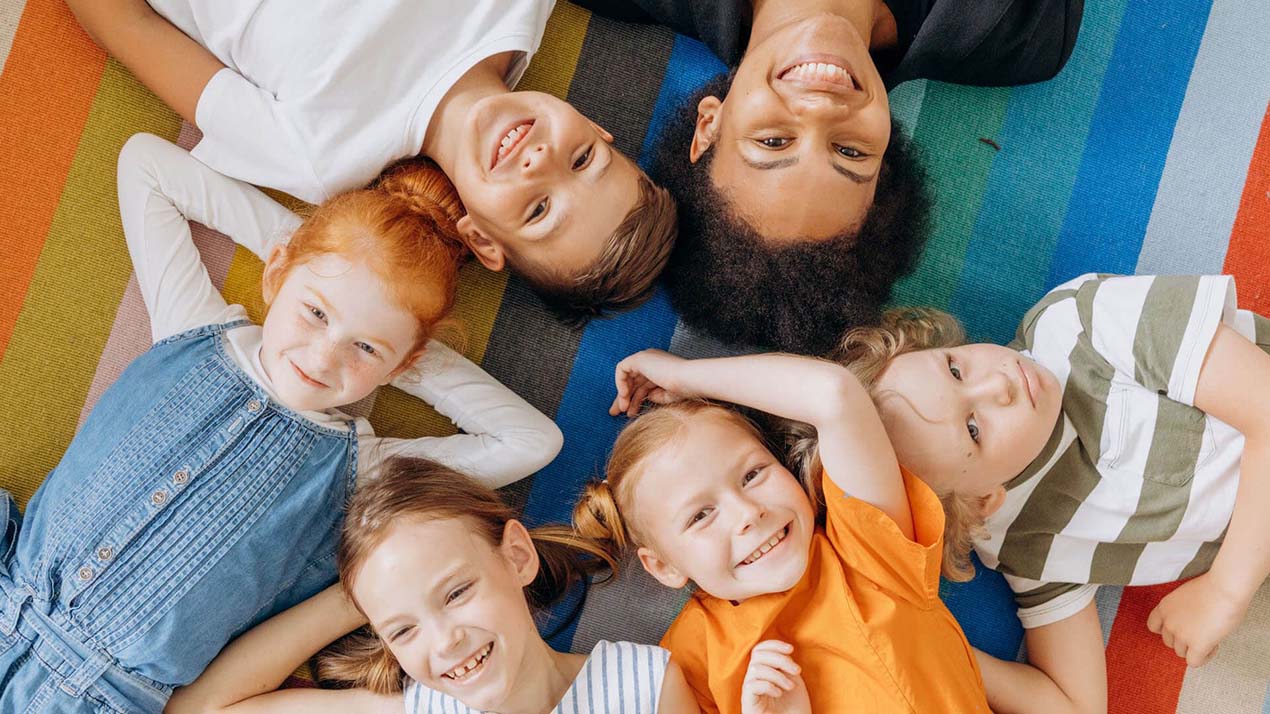
The early years are an important time for children to develop the social skills they will use throughout their lives. Learning how to communicate, cooperate, share, and build friendships helps children feel confident, connected, and prepared for future learning experiences. Strong social skills also create a positive foundation for emotional well-being.
Building Meaningful Friendships
Making friends teaches children how to interact with others, understand different perspectives, and develop empathy. Positive friendships encourage confidence while creating a sense of belonging in the classroom.
- Encourage children to share and take turns.
- Practice kindness through everyday interactions.
- Celebrate teamwork during group activities.
Learning to Communicate Effectively
Communication is one of the most valuable life skills children can develop. Expressing thoughts, asking questions, and listening carefully help children build confidence and strengthen relationships.
- Encourage open conversations every day.
- Read stories and discuss the characters.
- Use imaginative play to build vocabulary.
Developing Emotional Awareness
Understanding emotions helps children respond positively to challenges and manage their feelings in healthy ways. Teaching empathy and self-awareness supports stronger relationships both at school and at home.
- Name and discuss different emotions.
- Teach children to express feelings calmly.
- Praise acts of kindness and compassion.
Growing Through Play
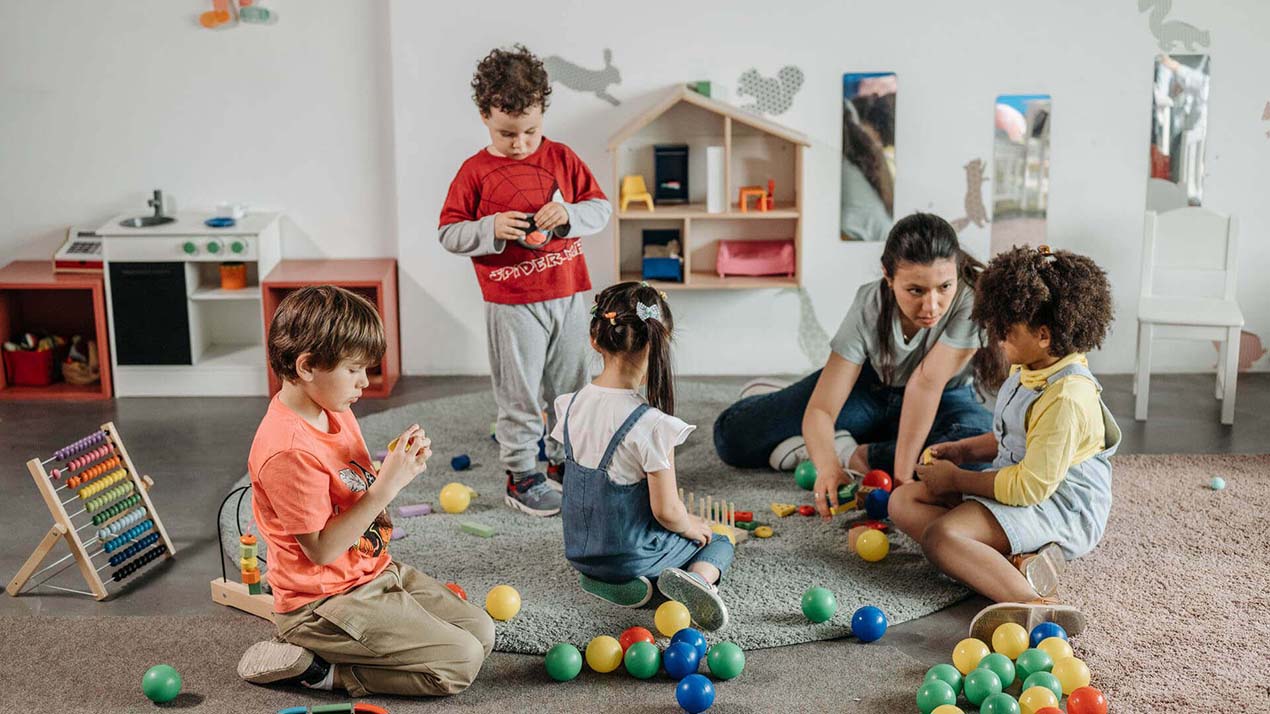
Play provides natural opportunities for children to work together, solve problems, and cooperate with others. Whether building with blocks, playing games, or creating art, children develop valuable social skills while having fun.
- Encourage cooperative games and activities.
- Support imaginative group play.
- Celebrate shared achievements and successes.
Preparing for a Bright Future
Strong social skills help children feel comfortable in new environments, build positive relationships, and approach learning with confidence. These abilities continue to support academic success, teamwork, and personal growth throughout life.
By encouraging communication, kindness, and collaboration from an early age, parents and educators help children develop the confidence to connect with others and thrive both inside and outside the classroom.